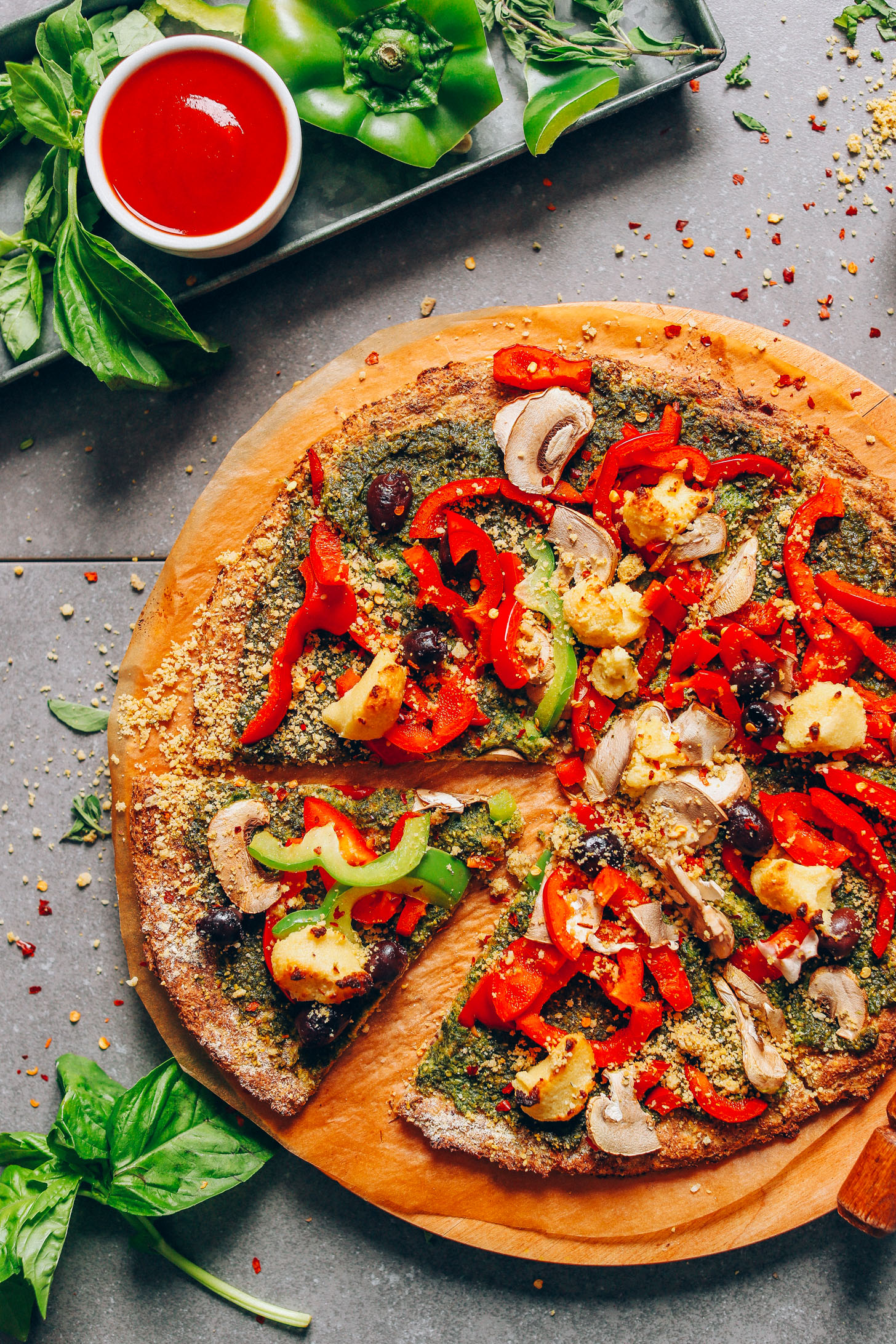
Easy Vegan Cauliflower Pizza Crust: The Frozen Rice Secret
Craving a delicious, guilt-free pizza night but committed to a plant-based, grain-free lifestyle? You're not alone! Many home cooks struggle with achieving that elusive, perfectly holdable crust when making grain-free and delicious vegan cauliflower crusts. Often, the result can be soggy, crumbly, or just not sturdy enough to pick up like a traditional slice. But what if we told you there was a simple, game-changing secret ingredient that makes creating a fantastic vegan cauliflower pizza crust easier than ever before? Enter: frozen cauliflower rice. This humble freezer staple isn't just for stir-fries; it's the key to unlocking a healthy, dairy-free, egg-free, and incredibly satisfying pizza experience that you can truly hold with your hands.
Forget the lengthy prep work, the messy steaming, or the tedious ricing of fresh cauliflower. Our method harnesses the convenience of pre-riced, frozen cauliflower to streamline the process, ensuring a drier "dough" that bakes into a firm, delicious base for all your favorite toppings. Get ready to transform your pizza nights with this ingenious hack.
Unlocking the Secret: Why Frozen Cauliflower Rice is Your Best Friend
For years, the idea of a cauliflower pizza crust has captivated health-conscious eaters, offering a fantastic low-carb alternative to traditional flour-based doughs. However, the initial steps of preparing fresh cauliflower – steaming, cooling, and then painstakingly squeezing out moisture – often deter even the most enthusiastic home cooks. This is where frozen cauliflower rice truly shines as a culinary hero.
The beauty of using frozen cauliflower rice lies in its inherent convenience and efficiency. When you opt for this pre-processed ingredient, you skip the chopping, the steaming, and the ricing altogether. All you need to do is thaw it, and it's practically ready for the crucial moisture-extraction step. This eliminates several time-consuming stages, making the entire process of preparing your vegan cauliflower pizza crust significantly faster and less labor-intensive. Think about it: no extra pots to wash from steaming, no food processor to clean from ricing whole florets. It's a true shortcut to healthy eating.
While some recipes might suggest roasting fresh cauliflower for a drier result, the thawing process of frozen cauliflower rice naturally draws out a significant amount of moisture, setting you up for success right from the start. You can simply let it thaw overnight in the refrigerator, or if you're in a hurry, a quick gentle heat on the stovetop or in the microwave can speed things along. This ease of preparation makes it a go-to choice for busy weeknights when you still want to enjoy a homemade, wholesome meal without the fuss.
The Core Ingredients: Beyond Just Cauliflower
While cauliflower is undoubtedly the star of this show, a few other carefully chosen ingredients play vital supporting roles in creating a truly exceptional vegan cauliflower pizza crust. Understanding each component's function is key to mastering this recipe.
- Frozen Cauliflower Rice: As discussed, this is our foundational ingredient. Once thawed and meticulously drained, it forms the bulk of our "dough," providing that wonderful neutral base ready to absorb flavors.
- Ground Flax Seeds: This is where the magic happens for an egg-free vegan cauliflower pizza. Ground flax seeds, when mixed with liquid, form a gelatinous substance often referred to as a "flax egg." In traditional vegan baking, flax eggs require a specific ratio of ground flax to water. However, since cauliflower is naturally rich in moisture, our recipe cleverly reduces the amount of added water. This allows the flax to bind the cauliflower pulp without reintroducing excess liquid, which is critical for a dry, firm crust. Flax not only acts as an incredible binder but also adds healthy omega-3 fatty acids and fiber to your pizza!
- Almond Flour: This gluten-free flour contributes to the crust's structure and texture. It helps to absorb any residual moisture and provides a slight richness and tenderness that complements the cauliflower beautifully. It’s also naturally low in carbs, aligning perfectly with the healthy profile of this crust.
- Seasonings: Don't underestimate the power of good seasoning. While the recipe is simple, a thoughtful blend of herbs and spices elevates the flavor profile. Typically, a mix of garlic powder, onion powder, dried oregano, dried basil, and a pinch of salt and black pepper works wonders. These Italian-inspired seasonings infuse the crust with a familiar pizza aroma and taste, making it even more appealing. Feel free to customize these to your liking, perhaps adding a touch of nutritional yeast for a cheesy umami note.
Together, these ingredients create a harmonious blend that transforms simple cauliflower into a robust and delicious pizza base, proving that you don't need eggs or dairy to achieve fantastic texture and flavor.
The Crucial Steps: From "Pulp" to Perfect Crust
Creating a stellar vegan cauliflower pizza crust is less about complex techniques and more about diligent execution of a few key steps. Attention to detail here will guarantee a crisp, sturdy base.
The Moisture Extraction Mission: Your Key to Crispness
This cannot be stressed enough: the single most critical step to prevent a soggy crust is to remove as much moisture as humanly possible from your cauliflower. Think of it as a mission. Once your frozen cauliflower rice is fully thawed (it will be quite wet), transfer it to a clean, sturdy kitchen towel, a few layers of cheesecloth, or even a nut milk bag. Gather the ends of the fabric and twist tightly, squeezing with all your might. You'll be amazed at how much liquid comes out – it can easily be half a cup or more! Continue squeezing until no more droplets emerge. The drier the cauliflower "pulp" you're left with, the crispier and more holdable your finished crust will be. This step is non-negotiable for success.
Crafting the "Dough": It's Not What You Think
Once you have your super-dry cauliflower pulp, transfer it to a large mixing bowl. Add your ground flax seeds, almond flour, and chosen seasonings. At first glance, the mixture might look crumbly and uncooperative. Don't be discouraged! This isn't traditional dough with elastic gluten strands. Instead, you'll need to use your hands – truly get in there and mix, knead, and compress the ingredients together. The warmth and pressure from your hands, combined with the flax's binding properties, will encourage the mixture to coalesce into a cohesive, albeit dense, "dough." If it sticks to your hands too much, simply wet your hands slightly, which will help prevent sticking as you work.
Baking for Ultimate Dryness and Holdability
Now it's time to form and bake your crust. Line a large pizza pan or baking sheet with parchment paper. Transfer your cauliflower "dough" to the center. Using your slightly wet hands, begin to press the mixture outwards, forming a circular crust. Aim for an even thickness throughout – a thinner crust (around 1/4 inch or less) will result in a drier, crisper finish. You can create one large 12-14 inch crust or opt for two smaller 6-8 inch ones, which can be easier to handle and flip later. The flatter and more even you get it, the better the final texture will be.
Preheat your oven to 400°F (200°C). Bake the pressed crust for approximately 30-45 minutes. The goal here is to dry it out thoroughly and achieve a golden-brown color, especially around the edges. You should be able to carefully lift the crust with a spatula without it falling apart. For an even crispier result, carefully flip the crust over after the initial bake and return it to the oven for an additional 10-15 minutes. This ensures both sides are beautifully dry and firm, giving you that authentic, pick-up-and-eat pizza experience.
Beyond the Crust: Topping Your Masterpiece
With your perfectly crisp and holdable vegan cauliflower pizza crust ready, the fun truly begins: toppings! The beauty of a neutral crust like this is its versatility. Opt for a vibrant marinara sauce, a creamy cashew "cheese" sauce, or a simple pesto as your base. Then load it up with your favorite vegan cheeses, a rainbow of vegetables like bell peppers, onions, mushrooms, spinach, and olives. For added protein, consider crumbled vegan sausage or seasoned chickpeas.
To avoid a re-sogging of your hard-won dry crust, consider lightly pre-cooking any very watery vegetables (like mushrooms or zucchini) before adding them. Bake your fully topped pizza for another 10-15 minutes, or until the toppings are heated through and any vegan cheese is melted and bubbly. You'll be amazed at the flavorful, satisfying result.
Say goodbye to flimsy, disappointing attempts at healthy pizza and embrace the ease and deliciousness that the frozen rice secret offers. This method for a vegan cauliflower pizza crust is not just a recipe; it's a revelation, proving that healthy eating can indeed be simple, satisfying, and incredibly tasty. Give it a try, and prepare to be amazed at the crisp, holdable crust you can create right in your own kitchen!
