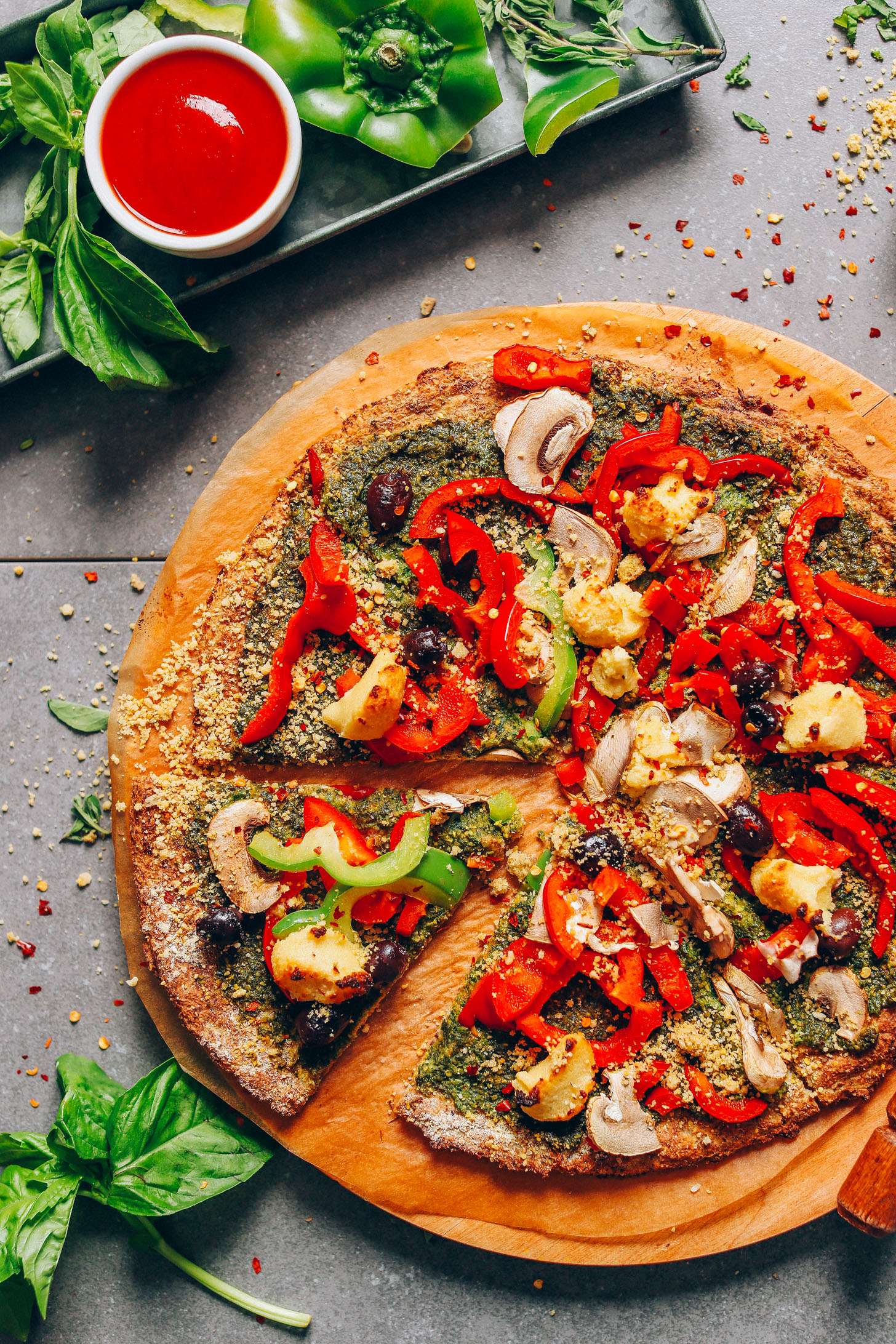
Mastering the Egg-Free Vegan Cauliflower Pizza: Achieve a Perfect Holdable Crust
For many seeking a healthier, plant-based alternative to traditional pizza, the allure of a vegan cauliflower pizza crust is undeniable. Imagine indulging in a delicious, grain-free, and dairy-free slice that you can actually pick up and enjoy with your hands – no soggy middle, no crumbling edges. This isn't a culinary fantasy; it's an achievable reality with the right techniques and a secret ingredient. We’re here to guide you through crafting an egg-free vegan cauliflower pizza crust that boasts an incredible taste and, more importantly, a sturdy, holdable texture that rivals its gluten-filled counterparts. Say goodbye to the common pitfalls of crumbly cauliflower crusts and hello to your new favorite healthy pizza night tradition.
The Quest for the Perfect Holdable Vegan Cauliflower Pizza Crust
The journey to a truly satisfying vegan cauliflower pizza crust often begins with good intentions but can sometimes end in frustration. Many recipes promise a healthy base, but deliver a crust that’s either too wet, too fragile, or simply lacks the structural integrity to be enjoyed like a true pizza. The common culprits? Often, it’s excessive moisture in the cauliflower or an inadequate binding agent. Traditional cauliflower crusts often rely on eggs and cheese for structure, which don't fit into a vegan, dairy-free, and egg-free lifestyle. This is where our innovative approach shines, transforming the humble cauliflower into a robust, delicious, and entirely plant-based foundation for your favorite toppings.
Our solution hinges on ground flax seeds, a nutritional powerhouse that doubles as an exceptional egg substitute. When mixed with a small amount of liquid, ground flax forms a gel-like consistency known as a "flax egg," which acts as a powerful binder. For a vegan cauliflower pizza crust, we harness this natural binding power, carefully adjusting the liquid to account for the inherent moisture in cauliflower. This thoughtful substitution not only keeps the recipe 100% vegan but also contributes healthy omega-3 fatty acids and fiber to your meal. The result is a naturally grain-free, dairy-free, and egg-free crust that delivers on both taste and texture, allowing you to enjoy a guilt-free slice that stands up to your highest expectations.
Mastering Moisture: The Secret to a Sturdy Crust
The single most critical step in achieving a perfectly holdable vegan cauliflower pizza crust is undoubtedly moisture removal. Cauliflower is naturally rich in water, and failing to extract a significant amount of this liquid will inevitably lead to a soggy, unmanageable crust. This is where patience and technique truly pay off, transforming a potentially flimsy base into a firm, reliable foundation for your pizza.
There are a few effective ways to prepare your cauliflower for this process:
*
Fresh Cauliflower: If starting with fresh cauliflower florets, you'll need to cook them until tender before ricing. Steaming or dry roasting are excellent methods. Once cooked, allow them to cool slightly, then process them in a food processor until they resemble fine rice.
*
Frozen Cauliflower Florets: Thaw them first, then process in a food processor to create a rice-like consistency.
*
Frozen Cauliflower Rice (The Ultimate Hack): This is by far the easiest and most convenient method, significantly cutting down on prep time. Simply thaw the frozen cauliflower rice overnight in the fridge, or gently warm it if you're in a hurry. You can learn more about this game-changing approach in our detailed guide:
Easy Vegan Cauliflower Pizza Crust: The Frozen Rice Secret.
Once your cauliflower is "riced" and cooked/thawed, the real work begins: squeezing out every last drop of excess moisture. Transfer the cauliflower rice to a clean kitchen towel, a nut milk bag, or several layers of cheesecloth. Gather the edges and twist tightly, wringing out as much liquid as humanly possible. You might be surprised by the sheer volume of water that comes out – it should be a significant amount, often ½ cup or more! This vigorous squeezing is non-negotiable; it is the cornerstone of a dry, crisp, and truly holdable crust. The drier your cauliflower pulp, the firmer your finished pizza will be.
Crafting Your Egg-Free Pizza Dough: Ingredients and Technique
With your cauliflower pulp now perfectly dry, it’s time to assemble your unique egg-free pizza "dough." This isn't your average stretchy, gluten-rich dough, so prepare for a different, yet equally rewarding, experience. The magic lies in a simple blend of natural ingredients working in harmony:
*
Dried Cauliflower Pulp: Your carefully prepared, moisture-free base.
*
Ground Flax Seeds: The star binder, replacing eggs and providing structure.
*
Almond Flour: Adds a delicate texture, helps absorb any residual moisture, and contributes to the overall firmness.
*
Seasonings: Crucial for flavor! Think Italian herbs (oregano, basil, thyme), garlic powder, onion powder, a pinch of salt, and black pepper. For an extra touch of "cheesy" flavor, nutritional yeast is an excellent addition.
Combine the dry cauliflower pulp with the ground flax, almond flour, and your chosen seasonings in a large mixing bowl. At first, the mixture will appear crumbly and loose. Don't be discouraged! This is where your hands become your best tools. Begin mixing and kneading the ingredients together with your hands. The warmth and pressure will help activate the flax and encourage the mixture to coalesce. You'll notice it gradually starts to stick together, forming a pliable (though not elastic) "dough."
When it comes to shaping, remember that this dough won't stretch. Instead, you'll be pressing it out. Prepare a large baking sheet with parchment paper – this is vital for preventing sticking and for easy flipping later. Take your cauliflower dough and place it in the center of the parchment paper. If the dough feels too sticky, slightly wet your hands; this will help immensely in preventing sticking. Begin pressing the dough outwards from the center, aiming for an even thickness across the entire surface. A flatter, more even crust will bake more uniformly and result in a drier, crispier texture. You can typically achieve a 12-14 inch crust, or, for easier handling and flipping, you might opt to make two smaller 6-8 inch pizzas. For more comprehensive insights into perfecting your gluten-free crust, explore our guide:
Grain-Free & Delicious: Your Guide to the Best Vegan Cauliflower Crust.
Baking to Perfection: Achieving Golden Crispness
The baking process is the final critical stage in transforming your pressed cauliflower dough into a truly holdable and delicious vegan pizza crust. Proper baking ensures that any remaining moisture evaporates, leaving you with a firm, golden-brown base ready for your favorite toppings.
Start by preheating your oven to a sufficiently high temperature, typically around 400°F (200°C). This high heat is essential for quick drying and achieving that desired crispness. Place your baking sheet with the pressed crust (still on parchment paper) into the hot oven.
The initial bake is primarily about drying out the crust. Bake for approximately 40-45 minutes. During this time, the crust should firm up significantly and start to develop golden edges. It should be dry to the touch and easy to lift slightly with a spatula.
Here’s the game-changing tip for ultimate crispness:
flipping the crust. Carefully remove the baking sheet from the oven. Using two spatulas (or by gently sliding the parchment paper onto another baking sheet and then flipping), turn the crust over. This allows the underside to also dry out and crisp up evenly. Return the flipped crust to the oven for another 10-15 minutes, or until both sides are golden brown and perfectly firm. The exact baking time may vary slightly depending on your oven and the thickness of your crust, so keep a close eye on it during the final minutes. You want it to be sturdy enough to pick up without fear of breakage.
Once fully baked, your beautiful, holdable vegan cauliflower pizza crust is ready. Remove it from the oven, add your preferred vegan sauce, cheeses, and an array of fresh vegetables and herbs, then return it to the oven for a final quick bake until toppings are warm and bubbly.
Beyond the Crust: Topping Ideas and Serving Suggestions
With your perfect egg-free vegan cauliflower pizza crust as a blank canvas, the topping possibilities are endless! Embrace the plant-based world with vibrant, flavorful combinations:
*
Classic Vegan Margherita: A swirl of rich tomato sauce, a sprinkle of vegan mozzarella (or a generous dusting of nutritional yeast), and fresh basil leaves for a timeless favorite.
*
Mediterranean Delight: Hummus as a base, topped with Kalamata olives, sun-dried tomatoes, artichoke hearts, and crumbled vegan feta.
*
Spicy BBQ Chickpea: A tangy BBQ sauce base, roasted chickpeas, red onion, bell peppers, and a drizzle of vegan ranch post-bake.
*
Garden Harvest: Pesto base, thinly sliced zucchini, cherry tomatoes, spinach, mushrooms, and a sprinkle of pine nuts.
Serve your vegan cauliflower pizza immediately after the final bake to enjoy it at its crispiest. While the crust holds up well, like most pizzas, it's best savored fresh from the oven.
Achieving a truly holdable, egg-free vegan cauliflower pizza crust is not just possible; it’s an incredibly rewarding culinary experience. By focusing on meticulous moisture removal, harnessing the power of flax seeds as a binder, and carefully executing the baking process, you can create a healthy, delicious, and structurally sound pizza that will impress even the most discerning palates. Say goodbye to soggy compromises and hello to your new go-to for a healthy, satisfying pizza night. Enjoy the process, experiment with your favorite toppings, and savor every single, perfect slice!